Sunday, March 22, 2020

Revised RQ and ​ at Least ​ Five Scholarly Sources (Blog #5)


Revised Research Question: "What are the challenges students with type 1 diabetes face compared to those students who don't have chronic illnesses? How do these challenges effect other aspects of the students life (financial burden, mental health, participation in extracurriculars, social activities, etc.)? What can students with type 1 diabetes do/use in order to live a more normal college lifestyle?".

Works Cited

  • Fredette J, Mawn B, Hood K, Fain J. Quality of Life of College Students Living With Type 1 Diabetes: A Qualitative View. Western Journal of Nursing Research. 2016;38(12):1595-1610. doi:10.1177/0193945916651265
  • Mellinger, David C. “Preparing Students With Diabetes for Life at College.” Diabetes Care, American Diabetes Association, 1 Sept. 2003, care.diabetesjournals.org/content/26/9/2675.
  • Saylor, Jennifer, et al. “Positive Health Benefits of Peer Support and Connections for College Students With Type 1 Diabetes Mellitus.” Sage Journals, The Diabetes Educator, 27 June 2018, journals-sagepub-com.proxy.libraries.rutgers.edu/doi/pdf/10.1177/0145721718765947.
    Saylor, Jennifer, et al. “Positive Health Benefits of Peer Support and Connections for College Students With Type 1 Diabetes Mellitus.” Sage Journals, The Diabetes Educator, 27 June 2018, journals-sagepub-com.proxy.libraries.rutgers.edu/doi/pdf/10.1177/0145721718765947.
    Saylor, Jennifer, et al. “Positive Health Benefits of Peer Support and Connections for College Students With Type 1 Diabetes Mellitus.” Sage Journals, The Diabetes Educator, 27 June 2018, journals-sagepub-com.proxy.libraries.rutgers.edu/doi/pdf/10.1177/0145721718765947.
  • Saylor, Jennifer, et al. “Psychosocial Educational Needs of College Students Newly Diagnosed With Type 1 Diabetes.” Sage Journals, AADE in Practice, 23 Oct. 2017.
  • Gordon, Katharine, et al. Going To College With Diabetes. American Diabetes Association, 2011.

Literature Review Blog Post #2


Works Cited
  • Mellinger, David C. “Preparing Students With Diabetes for Life at College.” Diabetes Care, American Diabetes Association, 1 Sept. 2003, care.diabetesjournals.org/content/26/9/2675.
Summary
  • Throughout the reading the author discusses both the obvious and not so obvious obstacles and challenges that student with type 1 diabetes may face when transitioning from home life into college life. As stated in the article, compared to their counterparts those with type 1 need to take extra steps before even thinking about living alone on campus, things they must consider include: meeting with their doctor prior to moving in, ensuring they have all medical equipment and necessities, how and where they will pay for drugs/equipment, and a list of other burdens that follow. Further, the author discusses the topic of what a student with type 1 should and should not do once they are settled into their new campus, relative to the habits of a typical college student. The author discusses making sure you have a roommate or someone you are usually around who knows how to handle an emergency situation of low/high blood sugar. The author also puts into discussion how to maintain a healthy diet while at college, while also being extremely cautious of one's drinking habits as well as how type 1 may interfere with a students sexual activities. 
Author
  • What makes the author, Dr. David Mellinger so knowledgeable on the topic of type 1 diabetes and the transition one has into everyday college life is that his expertise is in dealing with his patients which a majority of have type 1 diabetes. Further, many of these patients are either students at universities already or are going to be students. He also is an educator to medical students/residents to various different schools and such across the country. 
Key Terms
  • Diabetes Management- to control an individuals diabetes by ensuring they have all drugs, supplies, accommodations, and take the proper steps when transitioning through environments to ensure their short term and long term well being. 
  • Insulin Regimen-  the way in which an individual chooses to administer insulin throughout the day
Quotes
  • " Fortunately, many young adults with diabetes have health care insurance, which can substantially reduce its financial impact. But even with health insurance, the out-of-pocket expense can be significant" (Mellinger, 2675).
  • "Once at school, one of the first things diabetic college students face is deciding who and what to tell others about their diabetes" (Mellinger, 2676).
  • "Protection is afforded to people with diabetes under the Rehabilitation Act and the Americans with Disabilities Act" (Mellinger, 2677).
Value
  • This material will help aid me in answering my research question because it provides a list of steps and challenges that students with type 1 are faced with opposed to regular students, when trying to matriculate into college life. While it also lists such challenges faced, it also explains in depth the ways that these college students should deal with such challenges while also giving the common mistakes and hiccups to try and avoid. Further, the article also focuses on how a student with type 1 can maintain a relatively healthy and normal social life while away at college, however it also takes into account the precautions the individual should take when participating in such activities such as drinking alcohol, going out to party, and their sex life. 


Tuesday, March 10, 2020

Literature Review Blog Post #1

Image result for type 1 diabetes stressImage result for type 1 dibetes thoughts
Works Cite
  • Fredette J, Mawn B, Hood K, Fain J. Quality of Life of College Students Living With Type 1 Diabetes: A Qualitative View. Western Journal of Nursing Research. 2016;38(12):1595-1610. doi:10.1177/0193945916651265
Summary
  • In this article, a study was conducted amongst college students (ages 18-24) who had been diagnosed with type 1 diabetes for atleast a year and how the chronic disease affected their quality of life. Throughout the study the students regularly participated in phone and in person interviews to constantly update the audience how their disease played a role in daily functions and altered their experiences opposed to their counterparts. Throughout the article the students provide detailed responses to show how the type 1 diabetes made the transition into college and after harder than that of other students. With the responses given, it gave an understanding to how those with type 1 diabetes can better manage their disease while using certain strategies to improve their quality of life. 
Authors
  •  The authors who contributed to the article are Judy Fredette, Barbara Mawn, Korey Hood, and James Fain. One thing these authors all have in common is that they are college professors in the medical field. Some are nursing professors while others are pediatric professors in such. But all of the authors have a solid foundation and thorough understanding of the medical field and type 1 diabetes as a disease. 
Key Terms
  • Emerging Adulthood- "the period from age 18 through age 25 (Arnett, 2000). It is a time when internal struggles present themselves relating to peer acceptance and the search for one’s own identity (Faulkner, 2003). 
  • Self Care- To care and prioritize ones health needs (especially during times of stress) in order to provide ones self with a better quality of life.
Quotes
  • "They struggle with the decision to share the diagnosis with their peers, resulting in reports of feeling different and socially isolated (Abbott, Cairns, & Davies, 2008). As a result, emerging adults report elevated levels of social anxiety and increased risk of being rejected by their peers (Pinquart & Shen, 2011)" (Fredette 1597).
  • "Common findings reflect difficulties in establishing self-care routines and maintaining glycemic control, the importance of early depression screening, a need for age-appropriate diabetes education and care, and fears of drawing attention to self" (Fredette 1598).
  • "Although most college students must maneuver the stress, time management, and organizational demands of course preparation and testing, those living with T1D have the additional considerations integral to their success" (Fredette 1602).
Value
  • This article will be helpful in my research of asking the question, "How does type 1 diabetes affects a college students life?" by giving real life experiences. Instead of being given the information about the disease by someone who does not have it but only has knowledge about it, we are given first hand experiences from those who are living it. That being said, the information collected from the article will give me a more in depth and richer understanding to how this disease affects the lifestyle of those living with it opposed to their peers. This article also provides me with common problems, strategies, techniques, etc. shared amongst participants with type 1 diabetes which gives a better understanding and emphasis as to what is most crucial to those with the chronic disease. 


Friday, March 6, 2020

Research question and 3 Academic sources (Blog #3)

Research Question: "How does a students sleeping habits/tendencies effect their mental health and success while attending college?"


  • Sexton-Radek, K., & Hartley, A. (2013). College Residential Sleep EnvironmentPsychological Reports113(3), 903–907. https://doi.org/10.2466/06.10.PR0.113x27z2
  • Iarovici, Doris. Mental Health Issues and the University Student. The Johns Hopkins University Press, 2014.
  • Becker SP, Jarrett MA, Luebbe AM, Garner AA, Burns GL, Kofler MJ. Sleep in a large, multi-university sample of college students: sleep problem prevalence, sex differences, and mental health correlates. Sleep Health: Journal of the National Sleep Foundation. 2018;4(2):174-181. doi:10.1016/j.sleh.2018.01.001

Saturday, February 22, 2020

Scouting the Territory (Blog #2)

As I have completed some further research on the topic I was interested in (the success in college based off of a students diet, sleep, and exercise), I realized it is a specific topic with very little material targeted towards such detailed areas. That being said, I have decided to reconsider my topic and make it more so about a students health/habits as a whole and how it effects their success. As i researched the topic, key terms such as success and health were the most useful in finding substantive articles related to my topic. A lot of health related articles and discussions in relation to college had to do with mental health rather than one's physical health which shows the struggles that students face today. On Wikipedia they talk about the stressors in a college environment, the effects it has on ones academics, and personal stressors such as students self-esteem issues when trying to fit in with others especially in fraternities and sororities. Some books that seemed to be of importance for my topic are: Self Care For College Students and College Student Mental Health: New Directions for Student Services. Some ideas I came up with by searching these topics are the important topics about how a students stress level changes throughout college which starts effecting mental and physical health dramatically. These physical health problems include sinus infection, strep throat, as well as developing disorders such as eating disorders. With further research I discovered a website that contains bar graphs in reference to different aspects of students health while in college                        ( https://www.statista.com/topics/4553/college-student-health-in-the-us/ ). This website is an important part to my research because it will provide my analysis with close detailed specifics as well as actual numbers in order to support my arguments made. Another website ( https://www.higheredtoday.org/2019/08/12/college-student-mental-health-well-survey-college-presidents/ ) also seemed to be of importance because it provided stats as well as types of things that are needed and things that can  be improved upon in order to combat mental health issues amongst college students. The information In this website will allow me to bring new talking points into my research which will allow me to provide more complex thoughts and questions. Regarding the topic of physical/mental health in college, it is agreed that it is a huge problem that needs to be take care of, however that's not the controversial topic. The controversial topic is why physical/mental health has become such an elevated issue that so many students now seem to be dealing with as opposed to those previous decades of college students.

Saturday, February 8, 2020

Final Paper Idea (Blog #1)

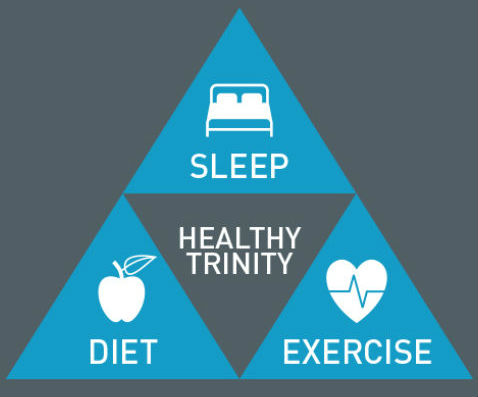
As I ponder upon the exact issue/idea that I will be constructing my final paper around, I find it most useful to revolve it around my own personal interests and passions. That being said, I believe my final paper will have quite a bit to do with an individuals overall health (diet, exercise, sleep, etc.),  and the profound effects it has on the students success/failure while attending college and why. I would like to write about this topic because I am interested in the sport of bodybuilding, I also believe that one's general health plays a significant role in whether or not they are successful in whatever they choose to do. I plan on dissecting this topic in further blog posts, possibly focusing on a singular aspect in each posts in order to truly see the profound effects ones health can have on their success in college.